
Basics of half-patent knitting in the round
Before we delve deeper into half-rib knitting in the round, it's important to understand the basics of this knitting technique. In this section, you'll learn what half-rib knitting is all about and why it's particularly well-suited to working in the round.
What is half-patent knitting?
Half-rib knitting is a technique that creates a relief-like pattern that looks attractive on both the front and back. Compared to stockinette stitch, half-rib knitting appears more voluminous and warmer due to its slightly textured surface.
In half-pattern stitches, knit stitches and slipped stitches alternate. The slipped stitches are knitted offset, creating the characteristic appearance of the half-pattern stitch.
Why knit in rounds?
Knitting in the round offers several advantages when using the half-patent stitch:
-
Seamless result
Since you're working in a closed round, there are no side seams. This is especially useful for projects like hats, scarves, or snoods. -
Easier handling
You don't need to turn the work. The pattern can be repeated continuously, resulting in a uniform appearance. -
Increased knitting speed
Since you don't have to turn after each round, knitting often goes faster.
When knitting in the round, make sure to distribute the stitches correctly and use stitch markers if necessary to ensure the pattern is executed correctly.
Materials required
Before you start knitting half-patent in the round, you should choose the right needles and yarn.
Which needles are best?
- Circular knitting needles : Ideal for knitting in the round. The stitches are evenly distributed and the strain on your hands is minimal.
- Double-pointed needles : A good alternative, especially for smaller projects such as hats or gloves.
- Crochet hook : Useful for picking up stitches or correcting small mistakes.
Choose needles you feel comfortable with, taking into account the recommended needle size on your yarn label.
Choosing the right wool
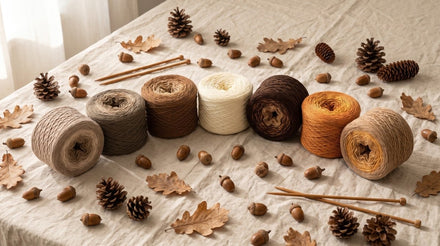
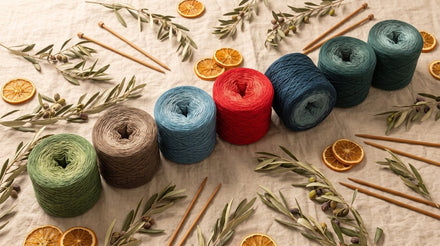
The choice of yarn influences both the appearance and the knitting result:
- Yarn thickness : Medium to thicker yarns are suitable for half-patent stitch in the round.
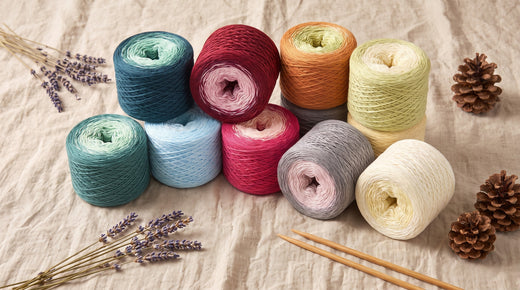
- Material composition : Whether wool, cotton, acrylic or mixed yarn – choose what suits your project and your preferences.
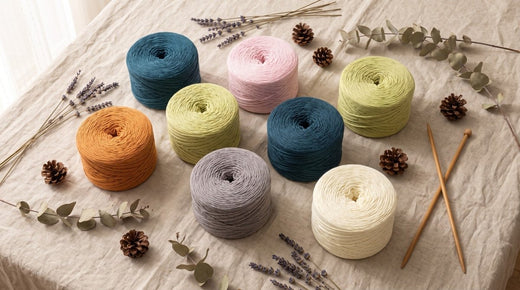
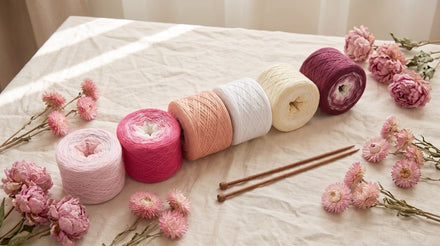
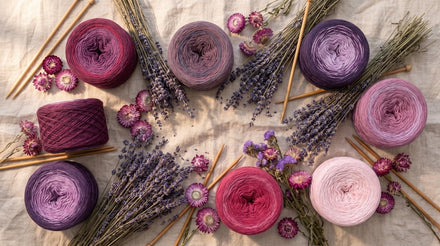
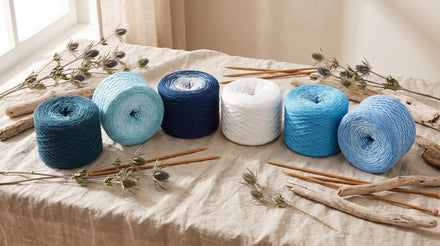
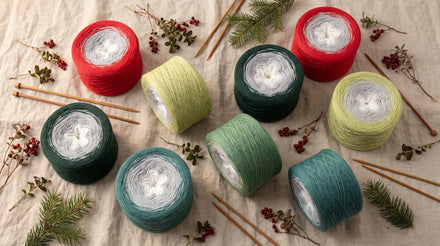
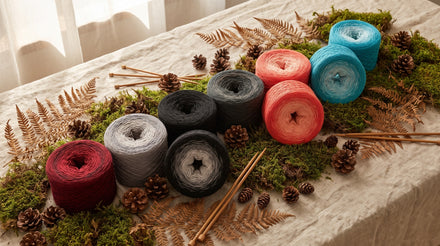
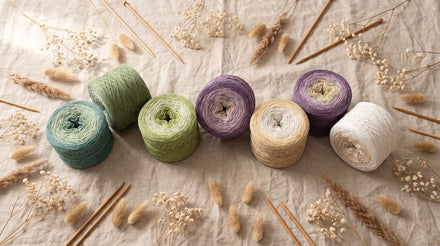
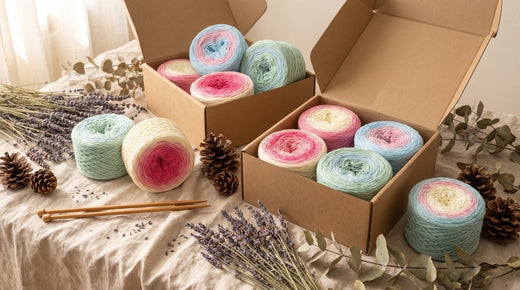
- Color : Choose a color that you like and that matches the desired end result.
Follow the care instructions on the yarn label to ensure your finished knitwear stays beautiful for a long time.
Step-by-step instructions
In this section, you will learn how to correctly cast on the half-patent stitch in the round, distribute the stitch pattern, and maintain the pattern.
Cast on and stitch distribution
- Cast on : Cast on the required number of stitches based on your gauge and project size.
- Distributing the stitches : Distribute the stitches evenly on circular needles or double-pointed needles. Use a stitch marker to mark the beginning of the round.
Knitting pattern in half patent
The classic half-patent stitch pattern consists of knit stitches and offset slip stitches (or stitches that are worked into the lower row).
- In theory : Knit one round, then work the knit stitch deeper in the next round. This creates the voluminous relief.
(Note: Half-pattern stitch is often described as two pattern rounds. Check whether you are knitting the right stitch "from the bottom" in every other round.)
Knit in rounds and maintain pattern
- Knitting in the round : Continue working in the half-patent stitch pattern, alternating between knit stitches and slipped stitches worked deeper.
- Stitch control : Make sure that no stitches are lost or twisted.
- Round marker : Be sure to use a stitch marker to keep track of the beginning of the round.
Check regularly to make sure the pattern is correct before moving on.
Tips and tricks
Even when knitting half-rib in the round, problems can occasionally arise. Here are some tips to avoid problems and take optimal care of your knitted piece.
Dealing with possible difficulties
- Stitch counting : Markers help you keep track of the correct number of stitches.
- Twisted stitches : Make sure that the stitches are not twisted when casting on.
- Thread guide : Do not pull the thread too tight so that the half-patent pattern retains its elasticity.
Care and storage
- Washing : Follow the instructions on the yarn label. Hand washing in lukewarm water with a mild wool detergent is often ideal.
- Drying : Lay the knitted item flat to maintain its shape.
- Storage : Protect your work from moths and dust by storing it in a clean, dry and breathable place (e.g. in a cloth bag).
Creative variations
With color changes and additional patterns, you can create varied knitted pieces.
Color changes and pattern adjustments
- Stripes : Alternate different colors to create narrow or wide stripes.
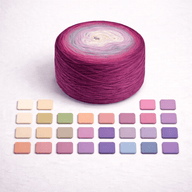
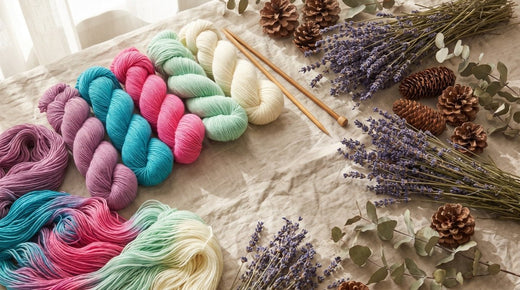
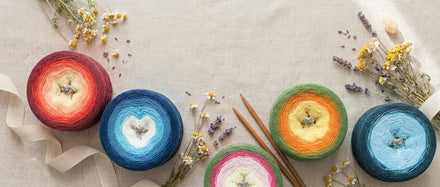
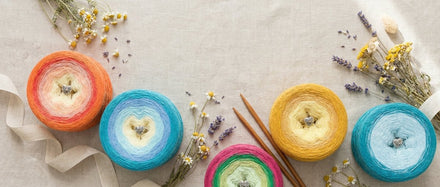
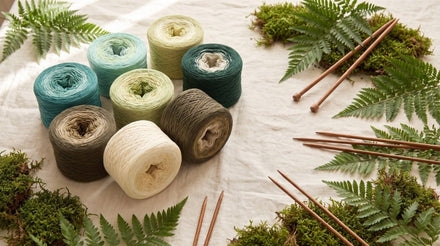
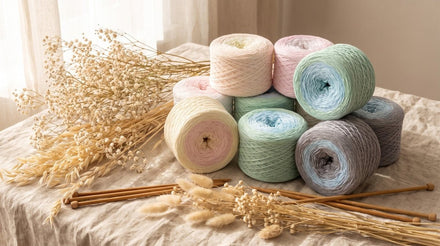
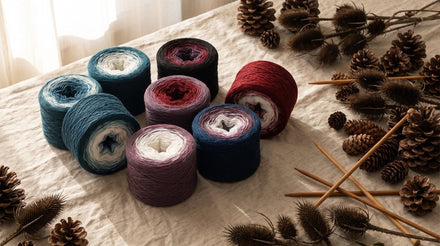
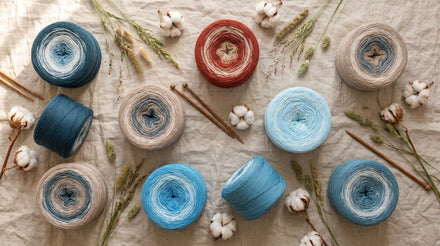
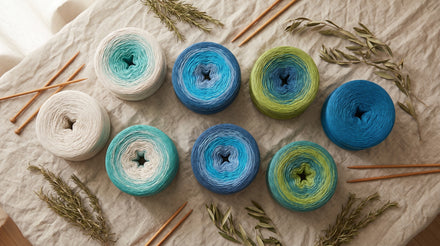
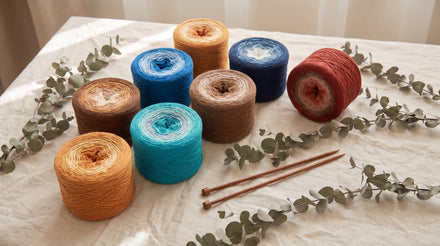
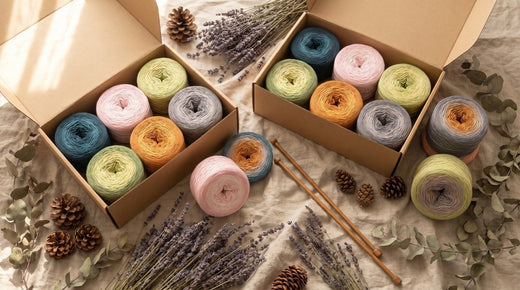
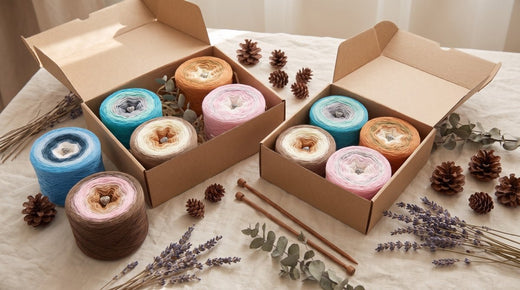
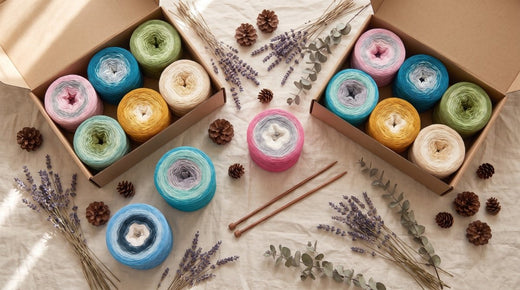
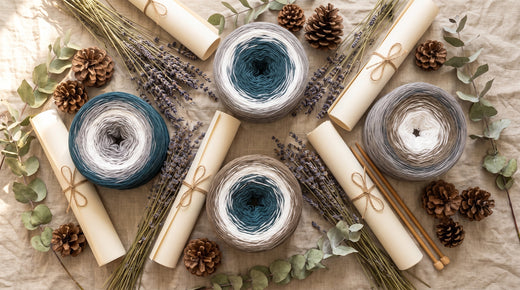
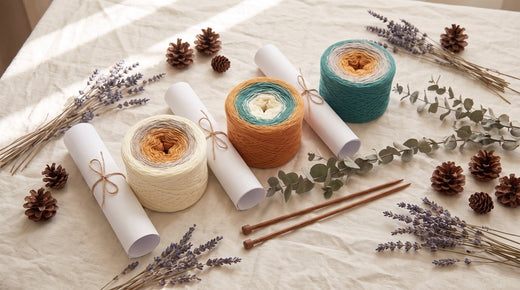
- Gradient : Use gradient yarns for smooth transitions.
- Contrast accents : Emphasize cuffs, edges or certain rows of stitches with contrasting colors.
- Other patterns : Combine half-patent with cables, lace patterns or other techniques.
Design options for individual projects
- Accessories : Hats, scarves, mittens or headbands get more volume and heat protection with half patent.
- Clothing items : Sweaters, cardigans or ponchos in a half-patent pattern look cozy and modern.
- Home Decor : Blankets, pillowcases and rugs in half patent give your home a cozy atmosphere.
- Gifts : Personalized items such as baby blankets, potholders or cuddly toys can be made particularly interesting with half patent.