







The Perfect Poncho: Simple Knitting Pattern for Beginners
Introduction to Knitting a Poncho
Knitting a poncho is a great way for beginners to improve their knitting skills and create a practical, stylish garment. A poncho is a versatile piece of clothing that can be worn comfortably over your clothes and suits a variety of occasions.
Knitting a poncho uses basic knitting techniques that are easy for beginners to learn. It is an ideal project for practising the fundamentals of knitting, such as casting on, knitting basic stitch patterns and shaping the poncho.
Why a Poncho Is a Great Knitting Project
A poncho is not only a fashionable accessory but also a practical companion in different seasons. Here are some reasons why knitting a poncho is a great project for beginners:
-
Simple construction: A poncho usually consists of simple geometric shapes, such as a rectangle or a trapezium. The construction requires no complex patterns or complicated fit adjustments, which makes knitting easier for beginners.
-
Versatility: A poncho can be knitted in different styles and lengths to achieve different looks. Whether you prefer a long, flowing poncho for an elegant look or a shorter, cosy poncho for everyday wear, the possibilities are endless.
-
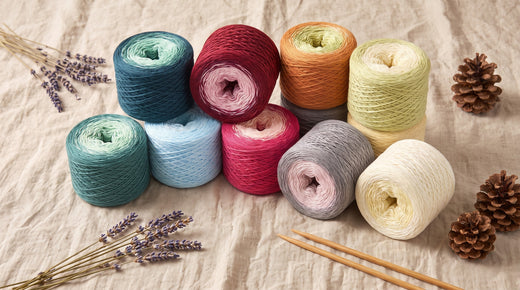
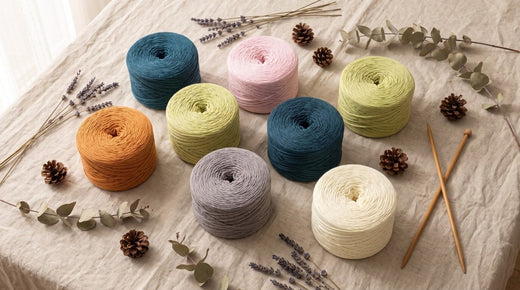
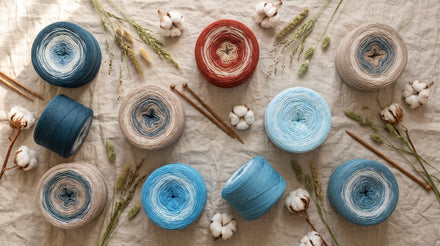
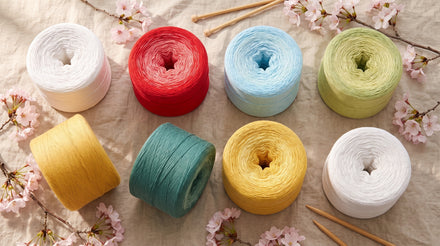
Wide choice of materials: When knitting a poncho, you can choose from a wide variety of yarns, from soft wool to cool cotton. The choice of yarn lets you adapt the poncho to the season you want.
-
Individual design options: Besides the choice of yarn, you can also personalise your poncho through your choice of colours and pattern adjustments. This way you can turn your knitting project into a unique garment that reflects your personal style and taste.
Knitting a poncho is not only a creative challenge but also a rewarding experience. With the right pattern and a little practice, even beginners can conjure up a beautiful poncho that makes them proud and lets them enjoy the pleasure of knitting.
Materials and Tools You Need
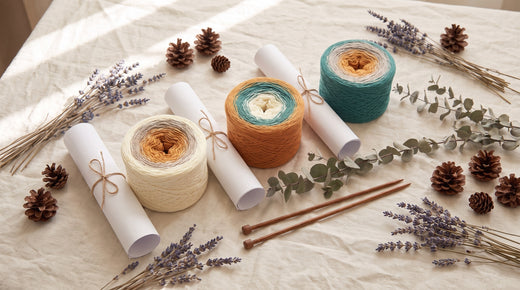
Before you start knitting the perfect poncho, you will need some materials and tools. Here are the most important items you need for your knitting project:
Yarn and Needles
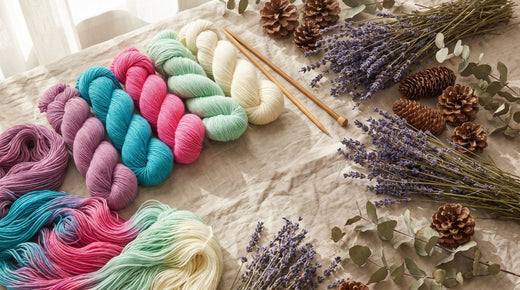
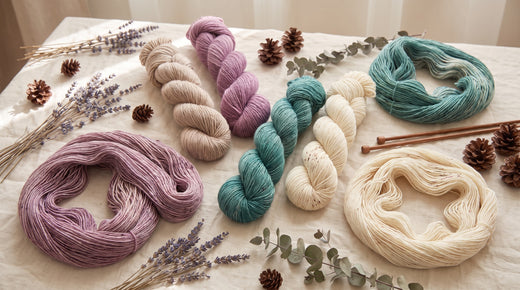
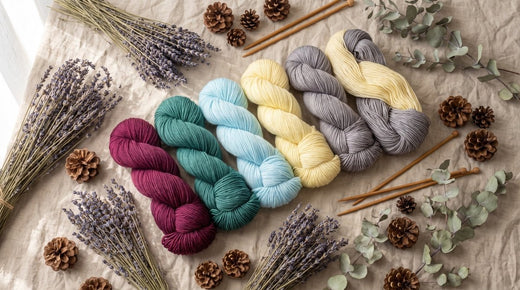
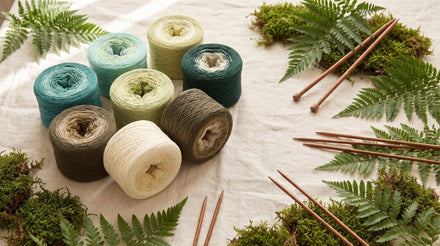
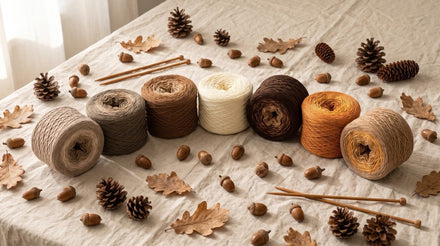
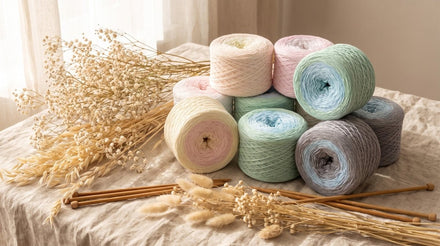
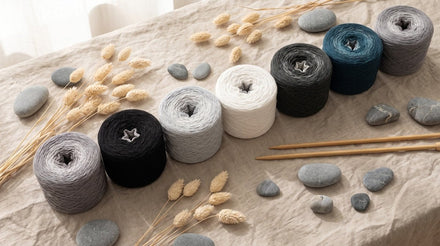
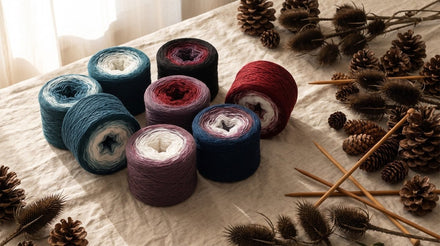
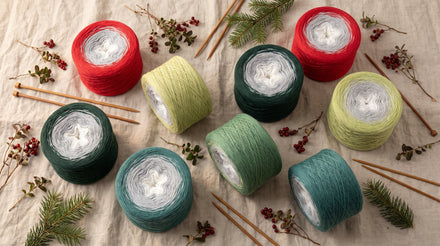
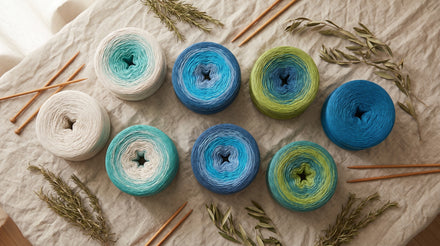
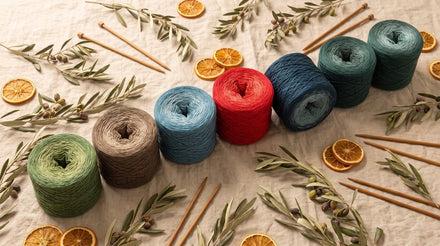
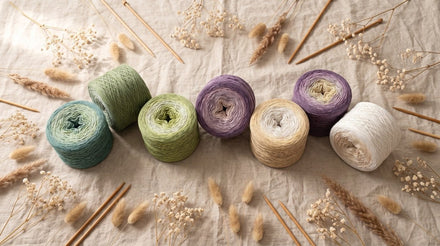
Choosing the right yarn is crucial for the final result of your poncho. Depending on the effect you want to achieve, you can choose between different types of wool. For example, thick, cosy yarns are well suited to a warm winter poncho, while thinner yarns are suitable for a lighter summer poncho.
It is advisable to follow the recommendations in the knitting pattern when it comes to choosing the yarn. It usually states which yarn is best suited to achieve the desired result.
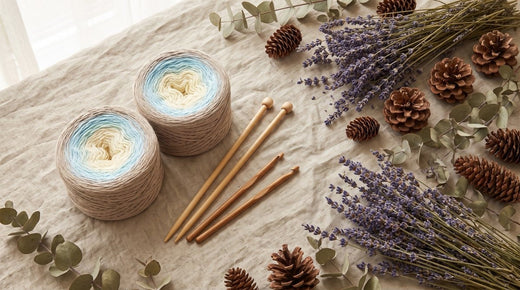
Besides the yarn, you will also need suitable knitting needles. The needle size also depends on the chosen yarn and the stitch pattern you want. As a rule, larger needles are used for ponchos to create an airy, loose fabric.
Other Accessories
Besides yarn and needles, there are a few other accessories that can help you when knitting the poncho. Here are some examples:
- A pair of scissors to cut the threads
- A wool needle for weaving in the ends
- Stitch markers to mark particular places in your knitting
- A tape measure to check the size of the poncho
- A knitting pattern that shows you the exact steps of the knitting project
By making sure you have the right materials and suitable tools, you lay the foundation for a successful knitting project. Be sure to choose high-quality materials to achieve a high-quality final result.
Step-by-Step Pattern
When it comes to knitting a poncho, it helps to have clear step-by-step instructions. Here are the basic steps for knitting a poncho, easy to understand even for beginners.
Casting On
The first step in knitting a poncho is casting on the stitches. Depending on the size and thickness you want for your poncho, you can choose a suitable number of stitches. Here is a table with guide values for different poncho sizes:
| Poncho size | Number of stitches |
|---|---|
| S | 80 - 100 |
| M | 100 - 120 |
| L | 120 - 140 |
| XL | 140 - 160 |
Before you begin, make sure your knitting needles suit the chosen yarn. A needle size between 4 and 6 mm is suitable for most ponchos.
Knitting the Basic Pattern
Once you have cast on the stitches, you can begin the actual knitting of the poncho. There are various basic patterns you can use, depending on your personal taste. Here are some popular patterns:
- Stocking stitch: knit every row.
- Moss stitch: alternately knit one stitch and purl one stitch.
- Cable pattern: cross individual stitches over each other to create a cable pattern.
Choose a pattern and knit as many rows as you like. Make sure you keep the stitch count the same to achieve the desired size of the poncho.
Shaping the Poncho
Once you have reached the desired length, it is time to shape the poncho. To do this, you need to cast off the stitches. Here is a table with guide values for different poncho lengths:
| Poncho length | Number of stitches to cast off |
|---|---|
| Short | 30 - 40 |
| Medium | 40 - 50 |
| Long | 50 - 60 |
Cast off the appropriate number of stitches and cut the yarn. Don't forget to weave in the ends to make sure the poncho looks stable and neat.
With these simple steps you can knit your own poncho. Experiment with different patterns and colours to design your poncho entirely to your taste. Happy knitting!
Tips for Beginners
If you are just starting to knit, there are a few useful tips that can help you knit your poncho successfully. Here are two important areas to pay attention to: avoiding mistakes when knitting and care instructions for the poncho.
Avoiding Mistakes When Knitting
When knitting a poncho, beginners may occasionally run into obstacles. Here are some common mistakes to avoid:
-
Check your stitch count: It is important to check the number of stitches regularly to make sure you have the right number and the pattern stays correct.
-
Watch for loose stitches: Make sure you don't knit the stitches too loosely, as this can lead to an uneven knitted fabric. Keep the tension of the stitches even to achieve a lovely result.
-
Avoid tangled threads: Avoid tangling the thread by making sure it always runs in the same direction. This helps the thread not to knot up and keeps the knitting running smoothly.
-
Check the knitting pattern frequently: Make sure you are following the pattern correctly so that your poncho gets the desired shape and appearance. It is best to mark important places in the pattern to avoid confusion.
Care Instructions for the Poncho
To keep your knitted poncho looking beautiful for a long time, it is important to care for it properly. Here are some care instructions that will help you:
-
Hand wash recommended: Ponchos made of knitted wool should ideally be washed by hand to prevent stretching or shrinking. Use a mild wool detergent and cold water.
-
Gently squeeze out the water: Carefully squeeze the excess water out of the poncho without wringing or pulling too hard. Then lay the poncho flat on a towel to dry.
-
Avoid heat: To avoid possible damage, you should not tumble dry your poncho or iron it directly. Leave it to air dry and, if necessary, iron it on a low heat with a pressing cloth.
-
Careful storage: Store your poncho in a dry, well-ventilated place to prevent mould. Lay it flat or hang it on a padded coat hanger to keep its shape.
By following these tips, you can improve your knitting experience and make sure your poncho stays beautiful for a long time. Don't forget to always follow the specific care instructions for the yarn you used to get the best result.
Ways to Personalise Your Poncho
Choosing Colours
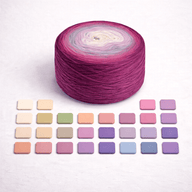
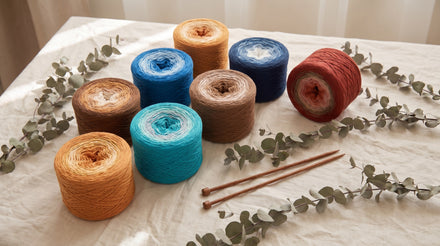
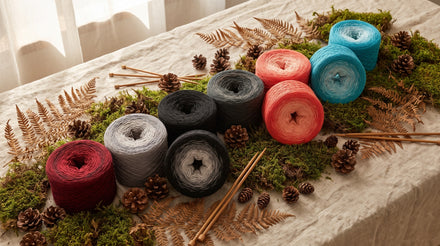
Choosing colours is an exciting part of knitting a poncho, as it gives you the chance to tailor your poncho entirely to your personal style. Depending on whether you prefer a vibrant, eye-catching look or something more understated, you can choose the colours accordingly.
When choosing colours, you can either go for a solid-colour version or combine different colours to create interesting patterns or stripes. Here are a few tips that can help you choose colours:
- Consider your skin and hair colour: Choose colours that make your complexion and hair colour glow.
- Think about the occasion: Consider whether you want to wear the poncho for everyday wear or for special occasions. Adjust your choice of colours accordingly.
- Experiment with contrasts: Combine light and dark colours to create interesting contrasts.
- Let current fashion trends inspire you: Take a look at which colours are currently on trend and let them inspire you.
Pattern Adjustments
The great thing about knitting a poncho is that you can adapt the pattern to your preferences and skills. Here are some ways you can personalise the pattern:
- Vary the stitch pattern: You can replace the basic pattern with different stitch patterns to achieve a different texture or look. Experiment with cable patterns, rib patterns or eyelet patterns to make your poncho unique.
- Adjust the size: Depending on whether you prefer a longer or shorter poncho, you can adjust the number of rows knitted. Keep the overall length and width of the poncho in mind.
- Add fringes or embellishments: If you want to give your poncho a personal touch, you can add fringes, pompoms or other embellishments. These details can give the poncho extra charm.
Bear in mind that adjusting the pattern may require additional knitting experience. If you are unsure, try the pattern first as written in the instructions and then experiment with the adjustments.
With these ways of personalising your poncho, you can turn it into a unique garment that fits your style and personality perfectly. Let your creativity run free and enjoy knitting your homemade poncho.
You can find more posts on this topic here:
https://chiemseegarn.com/blogs/stricken/poncho-stricken-mit-norwegermuster
https://chiemseegarn.com/blogs/stricken/poncho-stricken-einfach
https://chiemseegarn.com/blogs/stricken/poncho-stricken-kostenlos
https://chiemseegarn.com/blogs/stricken/poncho-stricken-mit-lochmuster
https://chiemseegarn.com/blogs/stricken/poncho-stricken-mit-mohair
https://chiemseegarn.com/blogs/stricken/poncho-stricken-mit-baumwolle
https://chiemseegarn.com/blogs/stricken/poncho-stricken-mit-farbverlauf
https://chiemseegarn.com/blogs/stricken/poncho-stricken-mit-zopfmuster
https://chiemseegarn.com/blogs/stricken/poncho-stricken-mit-rundstricknadel
https://chiemseegarn.com/blogs/stricken/poncho-stricken-mit-bobbel
https://chiemseegarn.com/blogs/stricken/poncho-stricken-mit-zickzackmuster
https://chiemseegarn.com/blogs/stricken/poncho-stricken-mit-noppenmuster
https://chiemseegarn.com/blogs/stricken/poncho-stricken-fuer-damen
https://chiemseegarn.com/blogs/stricken/poncho-stricken-mit-kapuze
https://chiemseegarn.com/blogs/stricken/poncho-stricken-mit-fransen
https://chiemseegarn.com/blogs/stricken/poncho-stricken-mit-perlmuster
https://chiemseegarn.com/blogs/stricken/poncho-stricken-mit-lochspitze
https://chiemseegarn.com/blogs/stricken/poncho-stricken-fuer-kinder
https://chiemseegarn.com/blogs/stricken/poncho-stricken-mit-ajourmuster
https://chiemseegarn.com/blogs/stricken/poncho-stricken-mit-streifen
https://chiemseegarn.com/blogs/stricken/poncho-stricken-anleitung
https://chiemseegarn.com/blogs/stricken/poncho-stricken-fuer-herren
https://chiemseegarn.com/blogs/stricken/poncho-stricken-mit-merinowolle
https://chiemseegarn.com/blogs/stricken/poncho-stricken-mit-spitzenmuster
https://chiemseegarn.com/blogs/stricken/oversize-poncho-stricken
https://chiemseegarn.com/blogs/stricken/poncho-stricken-mit-lacegarn
https://chiemseegarn.com/blogs/stricken/poncho-stricken-mit-bommeln
https://chiemseegarn.com/blogs/stricken/strickmuster-poncho
You might also be interested in:
- Knitting a shrug – patterns and tips
- Knitting a raglan jumper – free pattern
- Knitting an eyelet pattern – free pattern
Frequently Asked Questions About Knitting a Poncho
How much yarn do I need for a poncho?
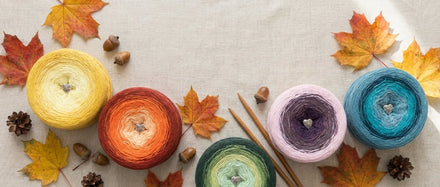
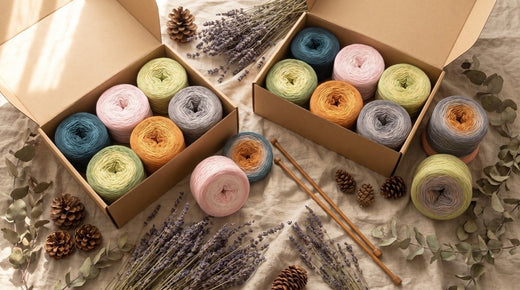
For a simple poncho in size M, you need about 400-500g of yarn. With thicker gradient yarn, 2-3 balls are often enough for a beautiful colour gradient poncho.
Can I knit a poncho as a beginner?
Yes! A simple poncho consists of two rectangles in knit stitches that are sewn together. If you can knit and purl, you can get started right away.
Which pattern is suitable for a poncho?
Beginners are best off starting with garter stitch or stocking stitch. More experienced knitters can work with eyelet patterns for summer ponchos or cable patterns for winter ponchos.
Discover More Knitting Projects
Want to keep knitting after the poncho? Try a raglan cardigan, a cosy cowl scarf or a triangular shawl as your next project.
