


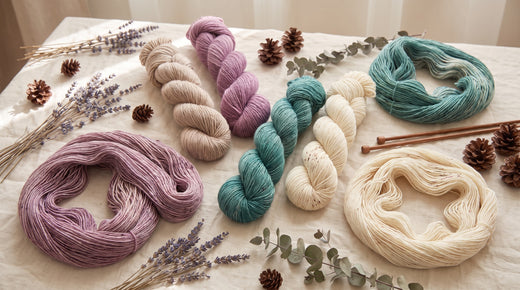
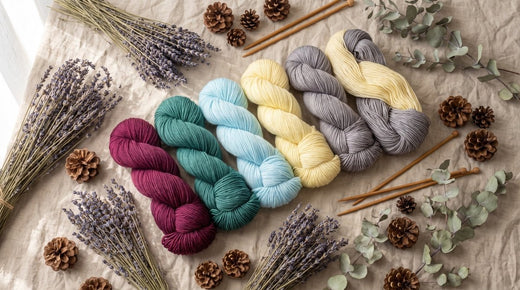




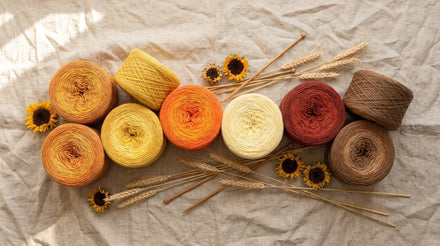
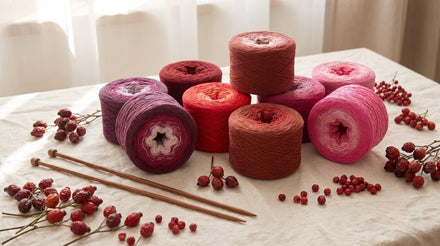
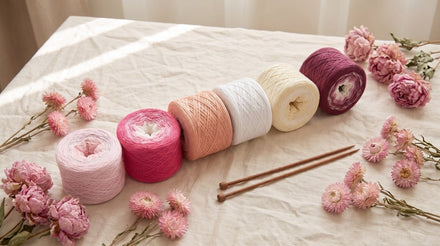
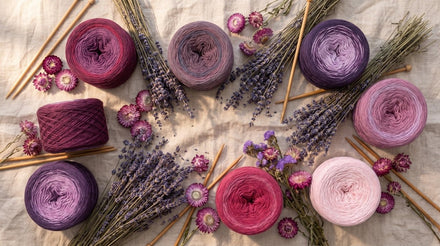
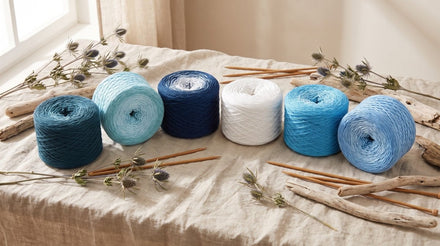
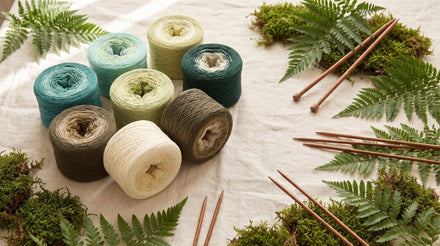




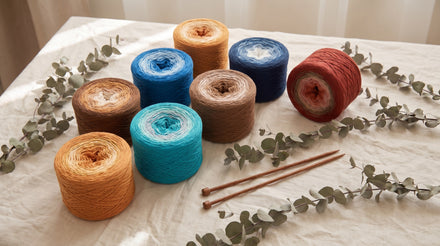
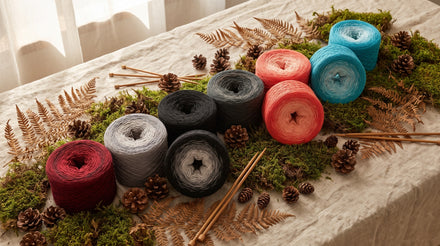

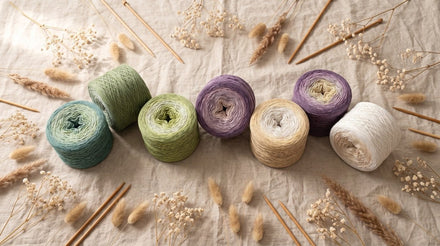
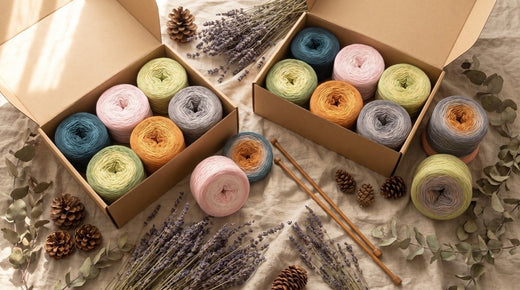



A triangular shawl is one of the most rewarding knitting projects there is: all you need to know is knit and purl stitches, the shawl grows evenly, and the result looks spectacular in gradient yarn. In this pattern we show you how to knit a simple triangular shawl from the point upwards — perfect for beginners.
Materials
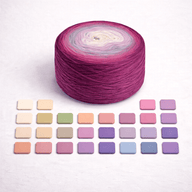
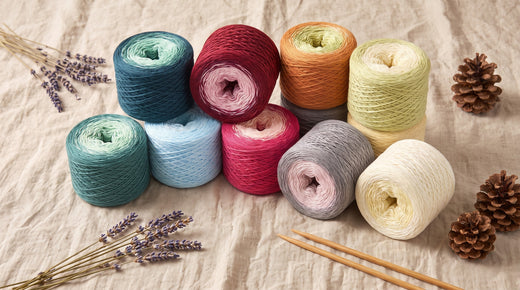
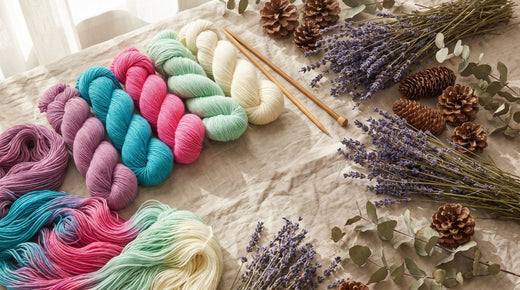
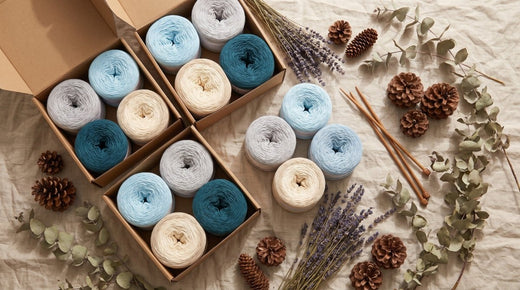
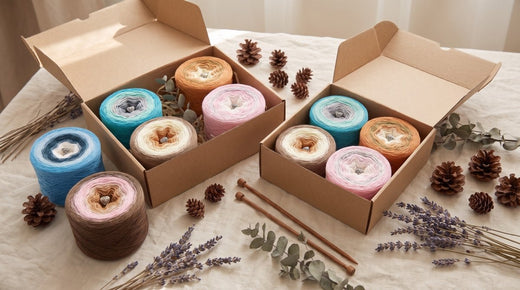
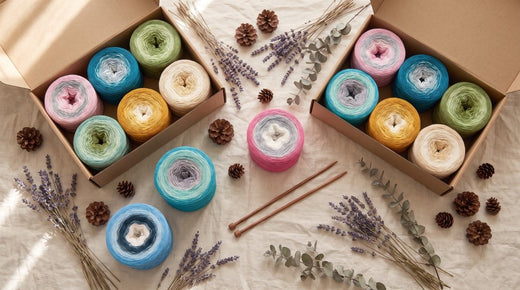
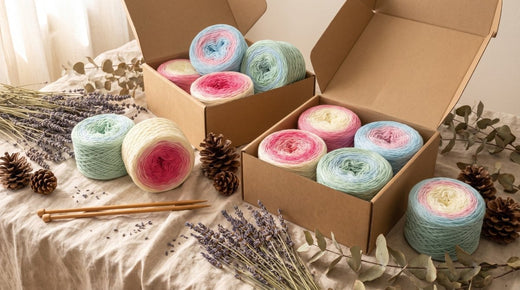
- Yarn: 200–300 g wool, depending on the size you want. The shawl looks particularly lovely in our gradient yarn — the colour gradient forms all by itself.
- Needles: circular needle, size 4–5 mm (depending on the yarn weight), at least 80 cm long
- Accessories: stitch markers, darning needle
Gauge
Stocking stitch with needle size 5: approx. 18 stitches and 24 rows = 10 × 10 cm. The exact gauge isn't so crucial for a shawl — it will simply turn out larger or smaller.
Basic principle
The shawl is knitted from the bottom point upwards. You start with a few stitches and increase evenly on every second row until the shawl reaches the size you want. Then you cast off — and you're done.
Pattern: Simple triangular shawl
Cast-on
- Cast on 3 stitches.
- Knit 6 rows in garter stitch (knit every row) — this creates the small starting edge.
Picking up stitches
- Pick up 3 stitches from the side edge (1 stitch per garter ridge).
- Pick up 3 stitches from the cast-on edge.
- You now have 9 stitches on the needle.
Shawl structure
From now on you knit back and forth in rows. The first and last 3 stitches of every row are always knitted in garter stitch (edge stitches). In between, work in stocking stitch.
Right-side row (increase row):
- Knit 3 stitches (edge)
- 1 yarn over (increase)
- Knit stitches until 3 stitches before the end
- 1 yarn over (increase)
- Knit 3 stitches (edge)
Wrong-side row:
- Knit 3 stitches (edge)
- Purl stitches until 3 stitches before the end (purl the yarn overs through the back loop so that no holes form)
- Knit 3 stitches (edge)
Repeat these two rows. Thanks to the 2 yarn overs on each right-side row, your shawl grows by 2 stitches on every second row.
Size guide
| Desired width | Approximate number of stitches | Yarn required |
|---|---|---|
| 120 cm (small) | approx. 120 stitches | approx. 150 g |
| 160 cm (medium) | approx. 160 stitches | approx. 200 g |
| 200 cm (large) | approx. 200 stitches | approx. 300 g |
Casting off
When your shawl has reached the size you want, cast off all stitches loosely. Tip: use the stretchy cast-off method — this keeps the top edge nicely stretchy and makes the shawl drape better around your shoulders.
Variations for advanced knitters
- With an eyelet pattern: replace the stocking stitch section with a simple eyelet pattern. Our article on knitting eyelet patterns will give you inspiration.
- All in garter stitch: knit the whole shawl in garter stitch instead of stocking stitch — it doesn't curl and is even more beginner-friendly.
- With a picot edge: cast off with a picot cast-off edge for a decorative scalloped border.
Tips for a beautiful result
- Blocking: after washing, pin your finished shawl out on a mat (blocking). This opens up the pattern and evens out the edges.
- Knit yarn overs through the back loop: this helps you avoid unwanted holes at the increase points.
- Use a circular needle: even though you're knitting in rows, the long circular needle holds the many stitches much better than straight needles.
The perfect yarn for your triangular shawl
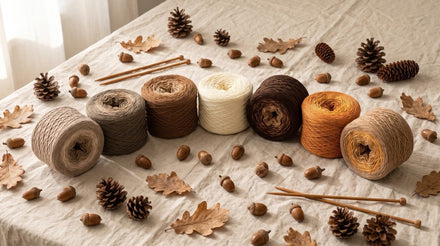
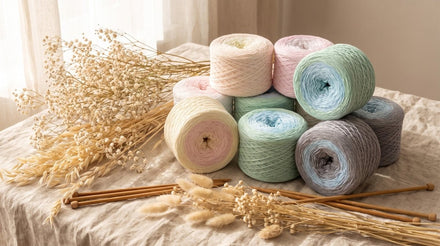
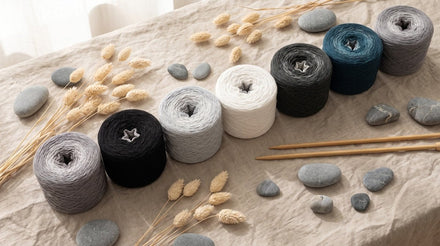
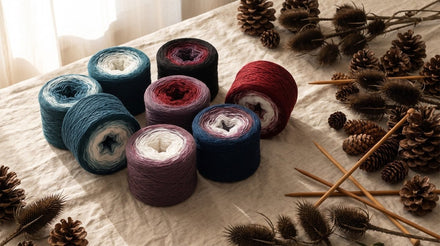
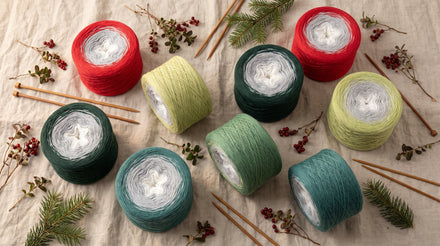
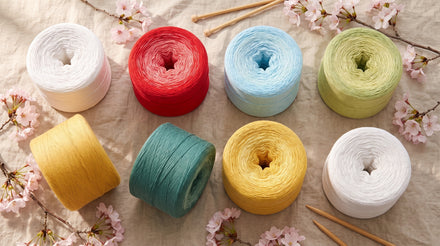
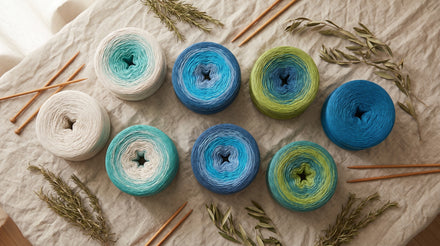
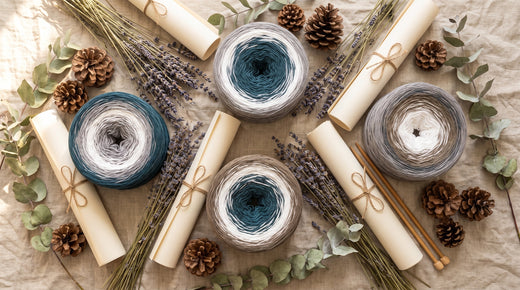
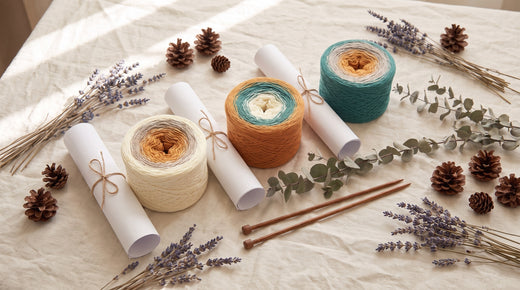
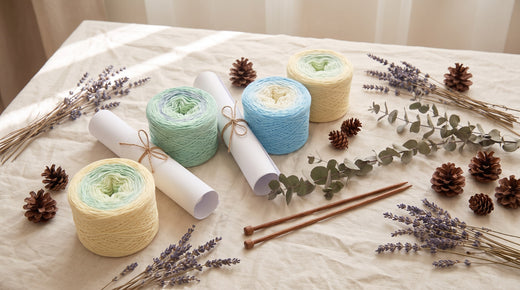
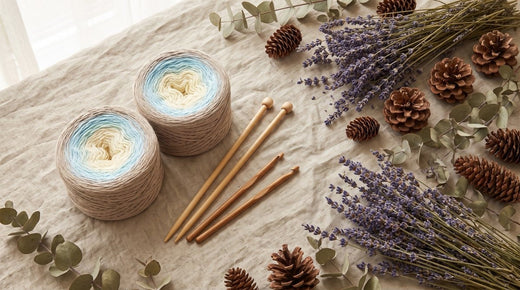
Triangular shawls thrive on colour play. With our gradient yarn, your shawl gets a beautiful gradient all by itself — without changing thread. Browse our most popular Bobbel and find your favourite colour.
For anyone who would rather start with a ready-made set: our knitting pattern Knitted shawl „Frühling in Pastell" and the knitted shawl „Bernstein" are perfect triangular shawl projects with detailed instructions.
Discover more patterns
Browse our other free patterns and techniques:
