







Introduction to knitting headbands
There are many reasons why knitting headbands for children is such a special and rewarding craft. From creative self-expression to the chance to make individual, one-of-a-kind accessories, knitting headbands offers craft lovers a wide range of benefits.
Why knit headbands?
Knitting headbands lets you make accessories that are not only practical and protective, but also add a personal touch. By choosing different yarns, colours and patterns, headbands can become an expression of personality, style and creativity. Knitting is also a calming, meditative activity that offers relaxation and enjoyment while you work.
Important points when knitting for children
When knitting headbands for children, there are a few important things to bear in mind, especially when it comes to fit and comfort. Children have sensitive skin, so choosing soft, skin-friendly materials is very important. The size of the headband should also be carefully matched to the child's age and head circumference to ensure a perfect fit and comfortable wear.
Knitting for children not only gives you the chance to make handmade gifts, but also encourages children's creativity and fine motor skills. Knitting together can also create valuable family memories and strengthen the bond between parents and children.
Knitting headbands for children is therefore not just a craft activity, but also a way of making loving, individual accessories that delight children and stay with them.
Size chart for children's headbands
When knitting children's headbands, it is crucial to choose the right size so that the headband fits perfectly and is comfortable to wear. Adjusting the size plays an important role, as children have different head sizes and a well-fitting headband is essential for comfort.
Why is adjusting the size important?
Children's head sizes vary individually, which calls for careful size adjustment to make sure the knitted headband fits optimally. A headband that is too tight can be uncomfortable and leave pressure marks, while one that is too loose may slip and not provide enough warmth. It is therefore advisable to measure the child's head size accurately and adjust the size accordingly.
How to create a children's size chart
A carefully drawn-up size chart is a helpful tool for ensuring the right fit for children's headbands. Here is an example chart that can help you determine the right size based on the child's head circumference:
| Child's age | Head circumference (in cm) | Headband size |
|---|---|---|
| 0-2 years | 45-48 | Small |
| 3-6 years | 49-52 | Medium |
| 7-10 years | 53-56 | Large |
By measuring the child's head circumference and comparing it with the corresponding size in the chart, you can determine the ideal size for the headband. This adjustment ensures a comfortable fit and a pleasant feel for the child.
Choosing materials and tricks
When choosing the right materials for knitting children's headbands, it is crucial to select high-quality, child-friendly materials. A few tips and tricks can also help make knitting more enjoyable and successful.
Choosing suitable materials
Soft, non-scratchy materials are best for children's headbands, to avoid skin irritation. Popular material options for children are cotton, merino wool and acrylic. These materials are not only comfortable to wear, but also easy to care for and hard-wearing.
It is advisable to opt for machine-washable yarns, as children's headbands need to be washed more often. Colourful and patterned yarns also give you a chance to get creative and make individual designs.
Tips and tricks for knitting children's headbands
When knitting children's headbands, there are a few helpful tips and tricks that can improve the result. Here are some recommendations to get the most out of your knitting:
- Use textured yarns for interesting patterns and designs.
- Pay attention to the right tension when knitting, to get an even texture.
- Try out different knitting needle sizes to find the right thickness for the finish you want.
- Work in coloured accents or patterns to make children's headbands lively and appealing.
By choosing high-quality materials and applying practical tips, you can not only knit beautiful, comfortable headbands for children, but also enrich your knitting experience. Be sure to treat the materials according to the recommended care instructions to make your handmade pieces last.
Knitting children's headbands
When knitting headbands for children, it is important to use the right techniques and patterns to create a lovely, comfortable accessory.
Knitting pattern for beginners
If you are a beginner venturing into knitting children's headbands, it is advisable to start with simple techniques. Here is a basic knitting pattern that is also suitable for newcomers:
-
Prepare your materials: Get suitable knitting needles and yarn in the colour you want.
-
Cast-on: Cast on the required number of stitches according to the pattern.
-
Knit the rows: Knit the rows as instructed, taking care to work the patterns and knitting techniques correctly.
-
Cast off: Finish your work by casting off the stitches and completing the headband.
With this simple pattern, even beginners can knit a lovely headband for a child.
Patterns and designs for children
When knitting children's headbands, there is a wide variety of patterns and designs suitable for different age groups. Here are some popular options:
-
Cable pattern: A classic cable pattern gives the headband a rustic, traditional look.
-
Moss stitch: Moss stitch creates a textured surface and offers extra warmth.
-
Jacquard pattern: With a jacquard pattern, you can work colourful designs and motifs into the headband.
By using different patterns and designs, you can knit unique, individual children's headbands that are not only practical, but also add a touch of creativity and personality.
Adjusting for different age groups
To make sure headbands fit children perfectly, it is crucial to take the right measurements for different age groups into account. Here you will find a size chart to help you work out the right size for your little wearers.
Size chart for different age groups
The following chart offers guidelines for children's head circumferences in different age groups, to help you determine the appropriate headband size:
| Age group | Head circumference (in cm) | Recommended headband size |
|---|---|---|
| Toddlers (1-3 years) | 45-50 | XS |
| Pre-schoolers (4-6 years) | 50-53 | S |
| School children (7-10 years) | 53-55 | M |
Special adjustments for toddlers and older children
For toddlers, it is important to fasten the headband securely and comfortably to stop it slipping. Using elastic bands or buttons can therefore help to adjust the fit while ensuring comfort.
For older children, you can experiment with additional patterns or embellishments to reflect their individual style and taste. Remember to adjust the length and width of the headband accordingly, to achieve an optimal fit and an attractive look.
By taking the age group and individual needs into account, you can knit tailor-made headbands for children that not only fit perfectly, but also bring joy and style.
Care instructions and conclusion
Once you have knitted beautiful headbands for children, it is important to look after them properly to make them last. Here are some useful care tips to keep your knitted headbands in top condition:
Care tips for knitted headbands
| Care tip | Description |
|---|---|
| Hand washing | Hand washing is recommended to preserve the shape and structure of the headband. Use a gentle detergent. |
| Air drying | Lay the headband flat to dry to avoid distortion. Avoid using a tumble dryer. |
| Storage | Store your knitted headbands in a clean, dry place to avoid damage. |
Conclusion and encouragement to be creative
With these care tips, you can make sure the headbands you have knitted stay beautiful and bring joy for a long time. Don't forget to let your creativity run free and try out new patterns, designs and colours. Knitting headbands for children is not only a craft skill, but also a way of expressing your love of detail and your care. Enjoy the process and let your passion for handicrafts inspire you.
More posts:
https://chiemseegarn.com/blogs/stricken/stirnband-stricken-kinder
https://chiemseegarn.com/blogs/stricken/stirnband-stricken-anleitung-kostenlos
https://chiemseegarn.com/blogs/stricken/stirnband-stricken-ohne-naht-anleitung-kostenlos
https://chiemseegarn.com/blogs/stricken/stirnband-stricken-anleitung
https://chiemseegarn.com/blogs/stricken/stirnband-kinder-stricken
https://chiemseegarn.com/blogs/stricken/stirnband-stricken-dornroeschenmuster
https://chiemseegarn.com/blogs/stricken/stirnband-stricken-schleife
https://chiemseegarn.com/blogs/stricken/stirnband-stricken-kinder-groessentabelle
https://chiemseegarn.com/blogs/stricken/stirnband-damen-stricken
https://chiemseegarn.com/blogs/stricken/stirnband-selber-stricken
https://chiemseegarn.com/blogs/stricken/stirnband-stricken-twist
https://chiemseegarn.com/blogs/stricken/stirnband-aus-sockenwolle-stricken
https://chiemseegarn.com/blogs/stricken/stirnband-stricken-ohne-naht
https://chiemseegarn.com/blogs/stricken/stirnband-stricken-zopfmuster
https://chiemseegarn.com/blogs/stricken/landlust-stirnband-stricken
https://chiemseegarn.com/blogs/stricken/stirnband-stricken-anfaenger
https://chiemseegarn.com/blogs/stricken/stirnband-stricken-groessentabelle
https://chiemseegarn.com/blogs/stricken/stricken-stirnband
https://chiemseegarn.com/blogs/stricken/stirnband-stricken-laenge
https://chiemseegarn.com/blogs/stricken/stirnband-stricken-wieviele-maschen
https://chiemseegarn.com/blogs/stricken/stirnband-stricken
https://chiemseegarn.com/blogs/stricken/stirnband-mit-knoten-stricken
https://chiemseegarn.com/blogs/stricken/stirnband-mit-twist-stricken
https://chiemseegarn.com/blogs/stricken/stirnband-twist-stricken
https://chiemseegarn.com/blogs/stricken/stirnband-stricken-rundstricknadel
You might also be interested in:
- Crocheting a child's hat – free pattern
- Knitting arm warmers – size chart & pattern
- Knitting a cowl scarf – easy pattern
Knit more accessories
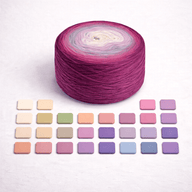
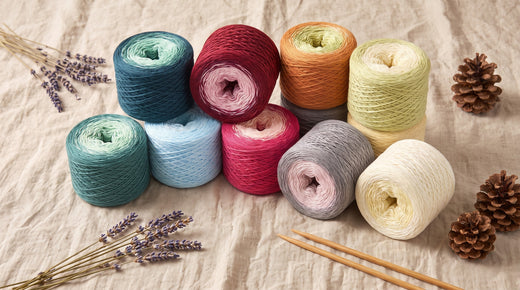
More accessory patterns: beanie hat, children's arm warmers or a cowl scarf. For headbands with a special look, try the cable pattern or moss stitch. Matching yarns: gradient yarn and merino wool from Chiemseegarn.
